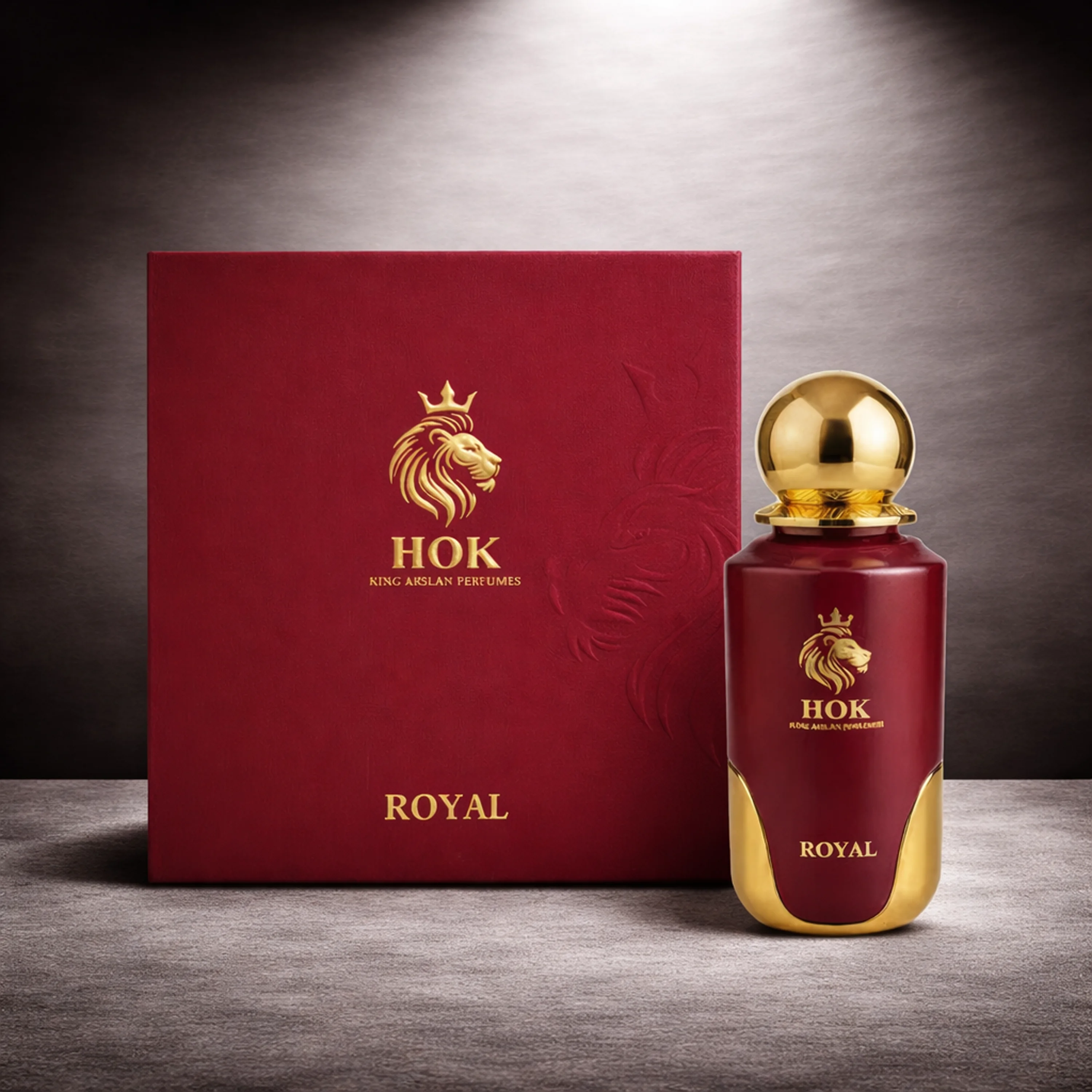
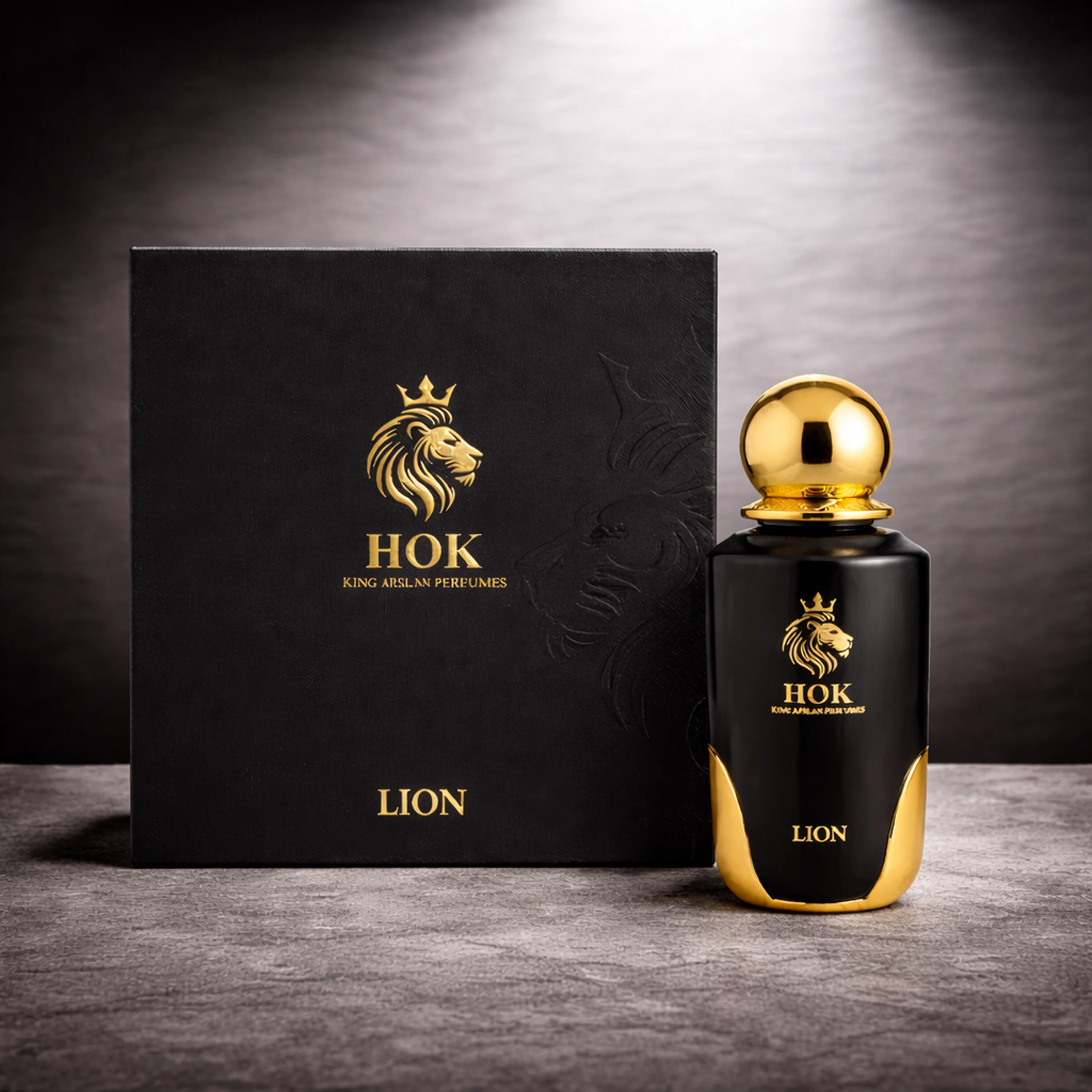
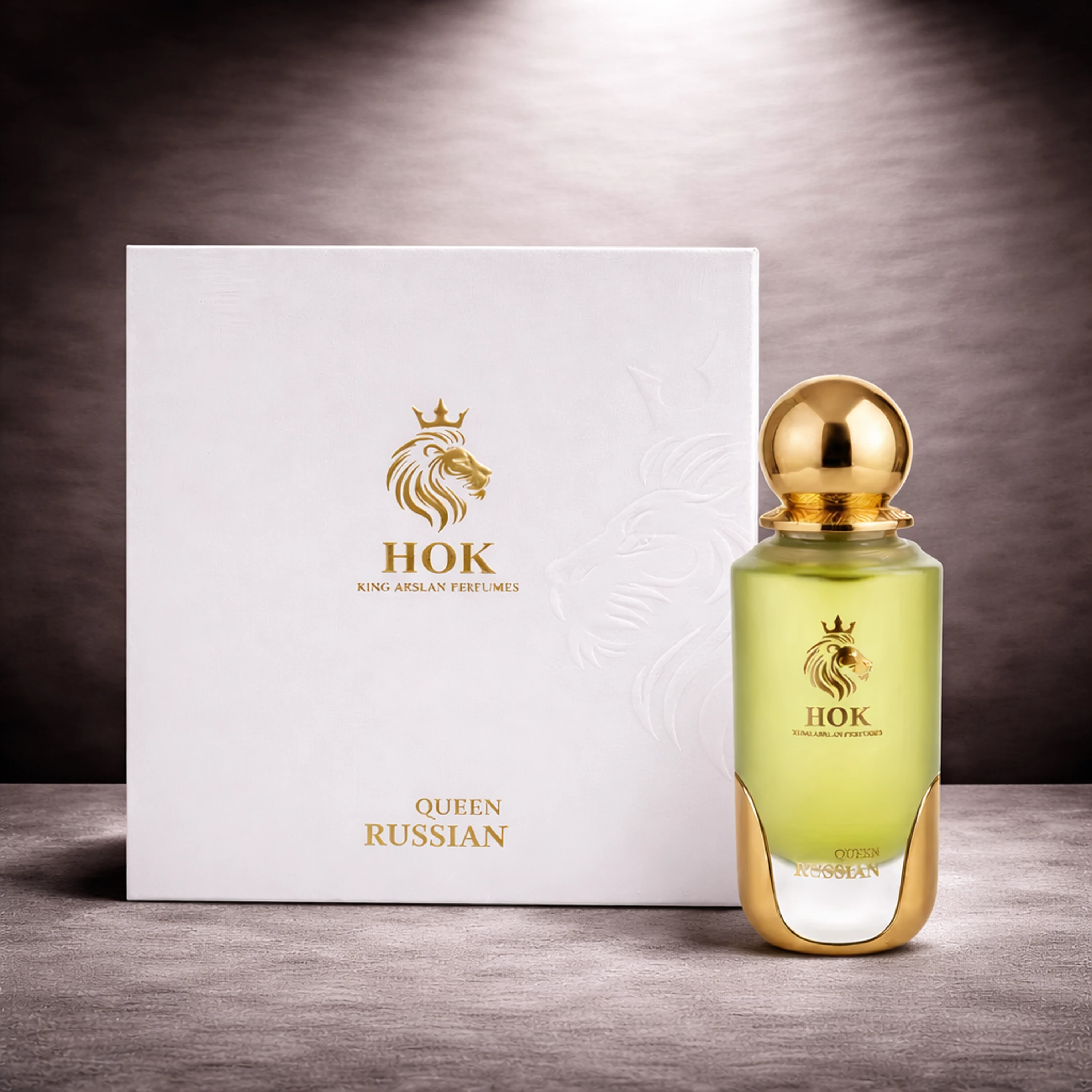
Finding the perfect scent is personal. Try sampling fragrances that match your preferences (fresh, floral, woody, spicy) and see how they develop on your skin throughout the day. Different perfumes react uniquely with your body chemistry.
Apply to pulse points — wrists, neck, behind ears — where body heat helps diffuse the scent. You can also spray lightly on clothing for longer lasting effect.
Longevity varies by fragrance type, skin type, and environment. Generally, stronger concentrations (like parfums) last longer, while lighter scents may fade sooner.
Perfumes are composed of top, middle (heart), and base notes that unfold over time:
Top: First impression (fresh, citrus).
Middle: Heart of the scent (floral, spicy).
Base: Lasting depth (woody, musk).
Contact our customer support team anytime — we’re happy to help! [Add contact form/link.]
Get 50% Discount.
Get early access to new products, exclusive deals & more.
We use cookies to improve your browsing experience and analyze website traffic. By continuing to use this jewellery website, you agree to our use of cookies.